top of page


Traditional Thai Massage
Traditional Thai Massage

"The Healing Art of Acupressure and Assisted Stretching"
Traditional Thai massage is a unique, holistic therapy distinct from Western massage styles. It is typically performed on a mat on the floor, with the recipient fully clothed in loose, comfortable attire (no oil is used). The therapist uses various parts of their body—hands, thumbs, elbows, knees, and feet—to apply deep pressure along the body's "Sen" energy lines, combined with assisted yoga-like postures to stretch muscles and joints.
What It Helps With (Benefits)
-
Relieves Muscle Tension: Helps break down stubborn muscle knots and tight fascia, which are often the root cause of chronic aches.
-
Increases Flexibility: Assisted stretching improves range of motion in joints and tendons, making the body feel more agile.
-
Boosts Circulation: The combination of pressure and stretching stimulates better blood and lymph flow, delivering oxygen more effectively throughout the body.
-
Alleviates "Office Syndrome": Highly effective at resolving neck, shoulder, and back pain caused by prolonged sitting at a desk.
-
Balances Energy: Helps clear blocked energy pathways, leaving you feeling lighter, clearer, and more energized after the session.
✅The Advantages (Pros)
-
Deep and Precise: Ideal for individuals who enjoy strong pressure, want to feel the "sweet pain" of hitting the right spots, and need serious relief from stiffness.
-
Like Gentle Exercise: You receive the benefits of a full-body stretch without exertion, earning it the nickname "Lazy Man's Yoga."
-
No Oil Needed: It is a dry massage, so it is not greasy or sticky. You remain fully clothed in comfortable wear.
-
Holistic Therapy: The rhythmic nature of the massage calms the mind and effectively reduces stress.
❌Potential Disadvantages (Cons)
-
Sensation of Pain or Tightness: For beginners or those with very stiff bodies, some pressure points or deep stretches may feel intense or uncomfortable initially.
-
Post-Massage Soreness: Due to the deep pressure applied, you may experience muscle soreness the next day (similar to after a workout). This usually subsides within 1-2 days, followed by a feeling of deep relief.
-
Massage Positions: The session involves various body positions—lying face down, face up, on your side, and sitting—which might be difficult for people with certain physical limitations to maneuver.

Trigger point massage
"Pinpointing the 'Knots' at the Root of Your Pain"
Trigger Point Massage is not a typical relaxation massage. It is a therapeutic modality focused on resolving pain at its source by locating and treating hidden "muscle knots," which are often the underlying cause of chronic pain you may have been experiencing for a long time.
What is a Trigger Point?
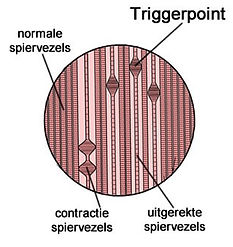
A Trigger Point is an area where muscle fibers have contracted into small, hard lumps, often referred to as "muscle knots." If you feel around your muscles, it might feel like a small pea buried within the tissue. These points are unique because:
-
Hypersensitivity: Applying pressure usually causes sharp pain or a physical wince.
-
Referred Pain: This is crucial. Often, the Trigger Point is located in one spot but sends pain signals to a completely different area. For example, a Trigger Point in your shoulder blade might cause pain that travels up into your head or temple.
How Trigger Point Therapy Works
This technique does not involve general, broad kneading of the body. Instead, the therapist actively "searches" for these specific knots. Once located, specific pressure techniques are applied:
-
Sustained Pressure (Ischemic Compression): Consistent, firm pressure is applied directly to the knot for a duration (usually 10-60 seconds). This pressure temporarily restricts blood flow to that specific knot.
-
The Release: When the therapist releases the pressure, a rush of fresh, oxygenated blood floods back into the area. This process helps flush out accumulated metabolic waste and encourages the tense muscle fibers to "let go" and relax.
Who Is This Recommended For?
-
Individuals suffering from chronic pain, such as neck and shoulder tension (Office Syndrome), lower back pain, or sciatica.
-
Those who feel persistent "hard lumps" in their muscles that regular massage does not seem to fix.
-
People experiencing tension headaches or certain types of migraines.
-
Athletes or individuals with repetitive strain injuries from overuse.
What You Should Know Before Your Session
-
"Good Pain": During the pressure application, you will likely feel discomfort, tension, or referred pain traveling along a specific path (which is a good sign that the correct spot is being targeted). However, it should be "tolerable pain," not unbearable torture.
-
Post-Massage Soreness: Because this is very targeted, deep tissue work, feeling muscle soreness for 1-3 days after the session is completely normal. It is highly recommended to drink plenty of water afterward to help your body flush out the released waste products.
bottom of page